Dig It!
The Essential Work of Community Gardening

I’ll be totally honest. I’m really not much of a gardener. Some people love gardening - they’re out in my neighbourhood already, pulling out weeds and getting seed beds - is that what they’re called? I’m already out of my depth here- ready for another growing season. Me, I’ve always liked the idea of a garden more than the hard, regular work of gardening itself.
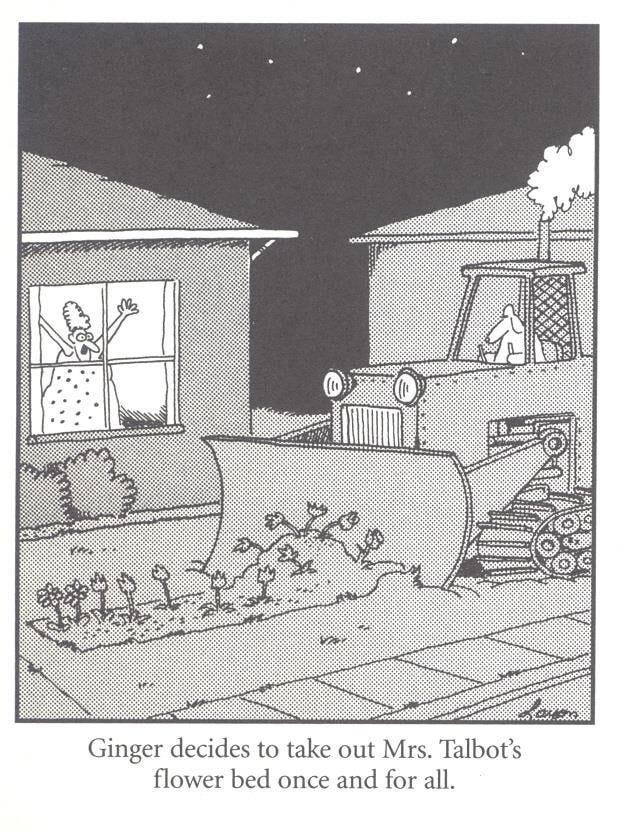
Maybe that’s why, for a long time, I didn’t appreciate community gardens. My thinking went as far as “well, lots of people love gardening, so sure, they should have space to do it.” I maybe would have agreed with what the province of Ontario decided in the current emergency: that community gardens are nice to have, but not essential.
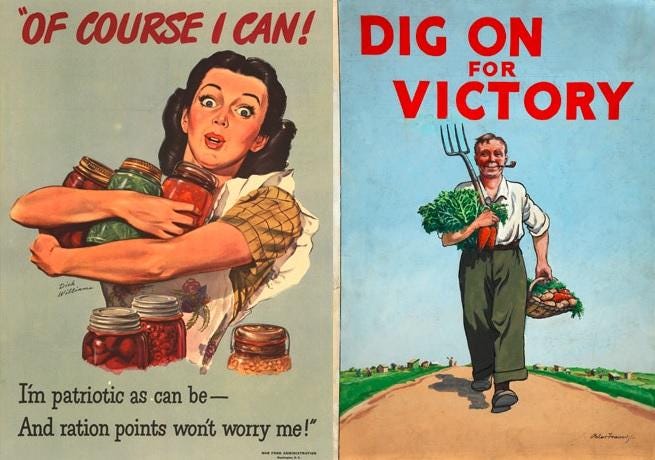
Moving to Kingston, where people are passionate about community gardening, has opened my eyes. I’ve learned from people like my colleague Tara Kainer that these gardens are a crucial part in our provincial food ecosystem. According to SustainOntario, “tens of thousands of families rely on community gardens to produce food for their families each year.” Community gardens aren’t just nice to have. They grow food and community, in the tradition of the Victory Gardens people grew during World War II, or the shared agricultural commons that helped sustain Europeans for centuries.
COVID-19 has shown that our North American food-system of high-input, exploitative agriculture and long export chains is not just bad for the climate, food workers, and our bodies, but it raises the risk of pandemics which then seriously undercut flows of food worldwide. Biologist and public health advocate Rob Wallace has long been sounding warnings about agribusiness and disease: warnings hopefully many more will now heed.

Community gardens, then, aren’t a hobby or a luxury - they’re essential. We need the food our neighbours grow to feed our people today. And we need to expand our local food infrastructure for a healthier tomorrow.
Tomorrow, Kingston City Council considers a motion in support of reopening our spaces. If you think these gardens are essential too, please consider writing council in support of reopening our gardens with the resources required so that they can operate in a safe and sanitary way.